ARTICLE

Less Grinding. Better Fit Up. Cleaner Welds.

Why professional welders are switching to laser cut steel parts for faster builds and repeatable fabrication.

JEMSCUTSEND

Laser Cut Parts for Welding Projects

How Fabricators Use Laser Cutting to Build Faster and Cleaner

If you weld, you know something most people don’t:

Welding is the fun part. Prep work is the grind.

Cutting stock.
Cleaning edges.
Grinding fit.
Fighting misaligned parts.

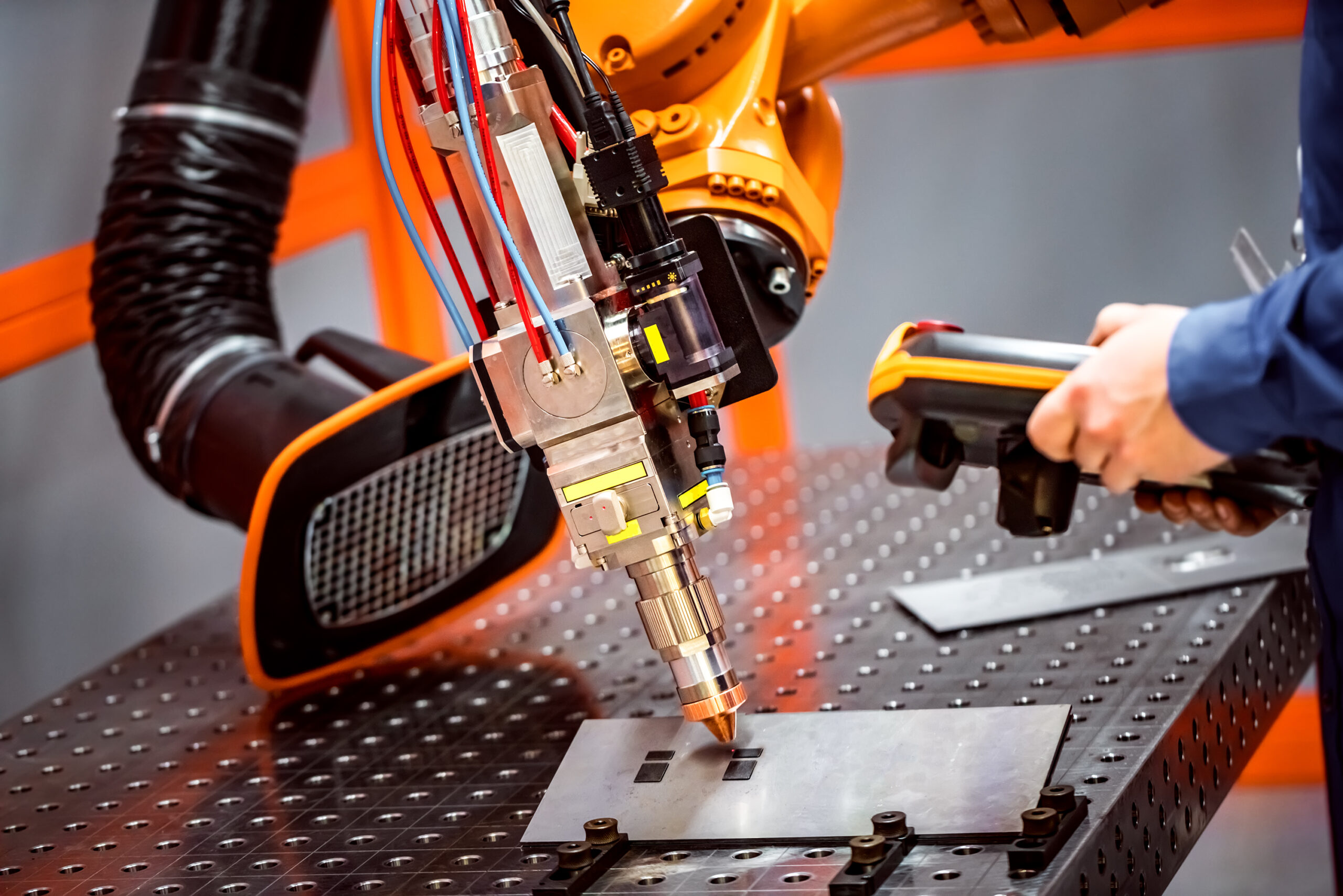
Laser cut steel eliminates most of that.

Here’s how professional fabricators use laser cutting to save time and improve quality.

1. Perfect Fit

Laser cut parts are accurate within thousandths of an inch.

That means:

  • Gussets sit flat

  • Tabs align correctly

  • Bolt holes line up

  • Frames stay square

Tight fit = better weld penetration and cleaner finished assemblies.

2. Speed

Cutting and grinding a complex bracket by hand can take 20 minutes or more.

Ordering it laser cut?

Clamp and weld.

If you’re building multiple units, the time savings multiplies quickly.

3. Consistency

Building five trailers?

Twenty racks?

A hundred brackets?

Laser cutting ensures every piece is identical. That consistency matters for:

  • Structural integrity

  • Customer satisfaction

  • Professional appearance

Hand cutting introduces variation. Laser cutting eliminates it.

Best Materials for Welding After Laser Cutting

Mild Steel (A36)

  • Excellent weldability

  • Clean laser cut edges

  • Ideal for MIG, TIG, or stick

This is the most common choice for welded assemblies.

Stainless Steel (304)

  • Weldable with TIG

  • Corrosion resistant

  • May require edge prep for precision work

Aluminum (6061)

  • Lightweight

  • Requires proper TIG or MIG technique

  • Sensitive to contamination

For most weld projects, mild steel is the best starting point.

The Secret Weapon: Tabs and Slots

One of the biggest advantages of laser cutting is self-fixturing design.

Instead of clamping parts into place, you design:

  • Tabs on one part

  • Matching slots on the mating part

They interlock like puzzle pieces.

Benefits:

  • Holds alignment during tacking

  • Speeds assembly

  • Reduces fixturing time

Pro tip: Design slots 0.010 to 0.015 inches wider than the tab to account for laser kerf.

When to Laser Cut vs Fab by Hand

Laser cutting makes sense when:

  • You need more than 2 or 3 identical parts

  • The geometry includes curves or multiple holes

  • Precision matters

  • The part will be visible in the final product

Hand fabrication makes sense when:

  • You need it today

  • It’s a simple rectangle

  • You only need one

Most shops that start ordering laser cut brackets quickly realize they should have started years earlier.

The Bottom Line

Laser cutting and welding are built for each other.

You get:

  • Cleaner edges

  • Better fit-up

  • Faster builds

  • Professional results

If you’re already welding, adding laser cut parts to your workflow is one of the easiest upgrades you can make.

You’ll know.

IT'S LASER TIME.

If you have questions or need your order faster than normal, reach out to us in chat and our team will help right away.

Location
Get Offers From JemsCutSend!